Information Technology

Plan For Success: Overcoming The Top Big Data Management Challenges

It's impossible to ignore big data. Even industries such as oil and gas — which have historically taken a pass on these technologies — are now gearing up to invest in big data. According to a recent Visiongain report, oil and gas companies are set to spend $3.51 billion on big data this year, while the market at large is headed for a $72 billion dollar future by 2022. Bottom line?

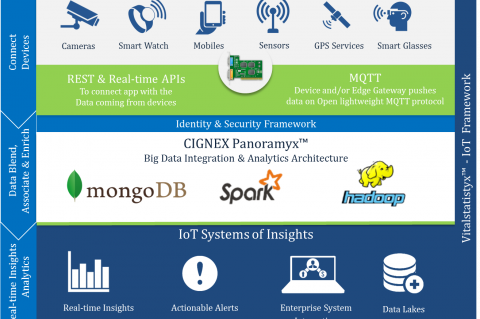
What is Internet of Things (IoT) and its Impact on Industries?

A British entrepreneur, Kevin Ashton coined this term “Internet of Things” in 1999. Also called “Internet of Everything”, it is the way of interaction amongst network of physical objects or things included within software, sensors, electronics, and connectivity. It enables objects to transfer data inside a network, to connect with humans, with computers or with other objects.

The Need for Decentralized Cloud Computing

On an early August morning, users of Amazon Web Services (AWS) woke up to some rather startling and frightening news. Error messages indicated that services were down both for the Simple Storage Service (S3) and Elastic Compute Cloud (EC2) solutions that Amazon provides. This severe outage lasted well into the afternoon and early evening before Amazon finally notified its customers that the problems had been corrected and services restored. While the outage lasted less than a day, it sparked a new discussion about what caused it and, just as important, how to prevent such outages from occurring in the future. For some, the solution to the problem was clear: decentralized cloud computing.

Web Application Security Testing: SAST, DAST or IAST?

Since early 2011 Gartner has been writing about how to combine Static application security testing (SAST) and Dynamic application security testing (DAST) approaches to application security testing and raising many questions about the subject. This post will explain the differences between the two methodologies, the advantages disadvantages of the two approaches and how they can work together from a business perspective and from the perspective of web applications, as these are the weakest in term of security.

Static Application Security Testing (SAST) 

Why More Health Care Organizations Are Turning to SaaS Solutions

There’s no denying it: The cloud has become an integral part of the health care delivery system. According to one recent survey, 83 percent of all health care organizations are using cloud-based services, with the vast majority of those services Software as a Service (SaaS) applications.

This represents a marked increase over the past few years, where health care organizations expressed reluctance to take advantage of the cloud due to concerns about security, regulatory compliance issues, and questions about functionality during implementation. In fact, the same survey found that only 6 percent of health care organizations have no plans to leverage the cloud in any way.

The Promising Future of the Internet of Things in India

The Internet of Things (IoT) is lauded by most as the next great revolution in technology. A world where every object we use has a sensor, enabling it to connect to the internet so it can communicate with each other and the user is a world that seems like something out of science-fiction. With the Internet of Things fast approaching, that world could become a reality very soon. Experts estimate that the IoT market could be worth as much as $1.7 trillion by 2020, with more than 50 billion devices connecting to the IoT by that time. But where will much of that growth come from? The U.S.

Alpnames breaks 500,000 domain names under management

Alpnames becomes the second largest registrar for new domain endings

Wednesday 24th June 2015, Gibraltar: Alpnames smashed through the half million mark last night in terms of domain under management. As an ICANN accredited registrar specialising in new generic Top Level Domains, Alpnames manages nearly 8% of all new gTLD names registered to date making it the second most popular new gTLD registrar after the industry giant GoDaddy and recently overtaking the first and longest standing registrar Network Solutions (part of web.com).

Common Mistakes Businesses Still Make When Moving to the Cloud

The cloud is where you need to be. At least that’s what companies are being told these days. The hype surrounding cloud computing is difficult to ignore, and organizations are responding by moving to the cloud in droves. This surge in cloud adoption makes the whole movement seem more like a fad at times, but it’s important to note that cloud computing does bring some significant benefits to the table. In other words, there’s a reason businesses are jumping on the bandwagon. At the same time, all this transitioning to the cloud can lead to mistakes, especially when companies aren’t prepared for the challenges and pitfalls they may encounter.

Does Cloud Computing Take Away Too Much Control?

It’s not easy to ignore the hype surrounding the cloud. Businesses all over the world are coming to realize that cloud computing offers numerous advantages, from more productivity and capabilities to lower costs. These benefits have lead to the growth of a wide variety of cloud providers, each offering its own unique take on services and products. The result has been a groundswell of support as organizations of all types look to the cloud for solutions to common and complex business problems.

Proper Data Insights Need Tools and Talent

Contrary to popular belief, the big data process isn’t a funnel. For whatever reason, we’ve come to think the more information we dump in from the top, the more actionable, quality insights will come out through the bottom. That just isn’t the case. We’re creating more data every day than any other point in history, but not all of this information is a golden opportunity. Most of it’s just noise. The real key to success is being able to navigate through the clutter and determine what pieces of information are pertinent.